
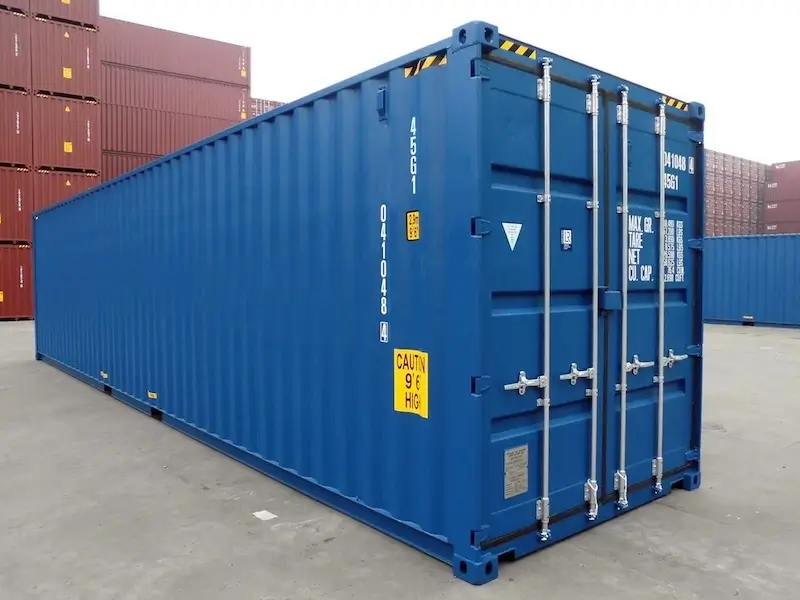
Shipping containers are constructed with weathering steel, also known as Corten steel. They’re built to withstand a beating. I mean, they literally get tossed around on ocean waves, blasted with saltwater spray, and subjected to just about any condition that would send typical metals rusting into retirement. But durable doesn’t equal indestructible. No type of steel is completely immune to the elements, and here in Central Texas we have some of the worst weather conditions for metal. Humidity, extreme heat, and sudden summer downpours create a near-flawless recipe for rust.
Rust isn’t only ugly – once it takes hold, it starts to eat away at the structural integrity of your container and significantly shorten its lifespan. This means the equipment you may be storing inside, the tools in your mobile workshops, or the products in your onsite storage could be at risk…all because you didn’t prevent rust in your shipping container, and it’s 100% preventable!
In this article, we’re going to talk about why your shipping container could start to rust here in Austin’s climate, what you can do to give yours the best chance at a long life from day one, and how to prevent further damage if rust has already started to take hold.
Why Do Shipping Containers Rust in Central Texas?
Rust is nothing more than iron oxide. Steel exposed to oxygen and moisture will naturally begin to rust. Central Texas provides the perfect rust storm because it attacks from every direction at once.
“Container Rain” and Condensation
Have you ever cracked open a shipping container one summer morning and found water dripping from the ceiling? They call that “container rain”. Austin has crazy temperature changes. We hit 95° one afternoon and dip into the low 60s at night. That humid air in the container condenses when it cools rapidly. It will collect on the ceiling and walls, then run down on all your goods. Constantly wetting and drying your goods can rust out your container and harm your cargo.
Heavy Rains and Poor Drainage
Spring storms in Central Texas can pack quite the wallop. Rainfall during these storms can exceed three inches per hour. If your container is sitting on bare ground or Hill Country clay soil, that water has nowhere to go. Your bottom rails and cross members can be sitting in standing water for days. That’s where you will find most corrosion and potential structural damage.
Intense UV Exposure
Lastly… Texas weather. Years of harsh UV rays during Austin summers will gradually bake the factory paint right off your container. When that paint inevitably peels away, you’ll be stuck with naked steel subject to every particle of moisture and rain. Paint isn’t just aesthetic; it’s your container’s first defense against rust.
Prevention is the Best Cure: Prepare Your Container for Longevity
An ounce of prevention is worth a pound of cure. Follow these few simple steps when first setting up your container, and you’ll avoid rust problems for years to come.
Raise It Off the Ground
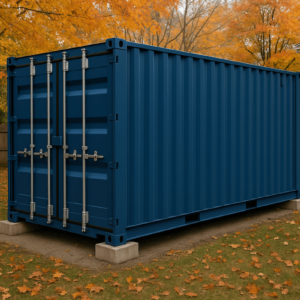
NEVER set your container directly on the ground. Ground moisture wicks up from the earth, rainwater collects around the bottom of the container, and the bottom cross members remain perpetually wet which accelerates decay.
Always place your container on some kind of foundation. Railroad ties are also effective, poured concrete footings or even a level bed of crushed gravel. Any of these methods gives you several inches of space under the container, so when it rains really hard, water flows freely underneath. Keeping the cross members dry will allow your container’s undercarriage to last much longer.
Keep the Air Moving
Air can turn stale and moist in an enclosed, airtight space. Uncontrolled moisture can cause rust to form inside the container. Ventilation is one of the easiest ways to prevent moisture buildup. Installing louvered vents on opposite walls allows for passive ventilation. This prevents condensation from building up on the steel. Turbine roof vents can help circulate air in containers for wetter climates. They also happen to not require power!
Purchasing a new or used container? Want ventilation added before it arrives at your doorstep? Steel Box Containers can customize your container with louvered intake/exhaust vents, industrial exhaust fans, and complete HVAC systems right here in our own facility.
Insulate to Eliminate Condensation
Insulation isn’t just to keep you warm or cool. Believe it or not, it is one of your greatest weapons against container rain. By insulating the interior walls of your container with spray foam or rigid panel insulation, you are keeping the steel surfaces from experiencing extreme temperatures. This means hot, humid air will not condense on cold surfaces as water droplets. You can prevent condensation with insulation in offices, workshops, and any other storage container meant for long-term storage. Insulation not only saves you money, but also helps protect the container and the belongings inside.
Routine Maintenance: The Austin Container Owner’s Checklist
Even a properly installed and vented container needs maintenance. Weather in Central Texas is harsh year-round. Your container will require regular maintenance to stand up to the elements.
Clear the Roof
Live oaks, cedar, and pecan trees cover most of Austin, and they drop leaves, needles, and limbs with gusto onto container roofs. Roofs that aren’t sloped let this debris hold moisture against the paint and cause slow, silent decay. Sweep or blow the roof every few months – more frequently if your container is underneath trees.
Check the Door Seals
Door seals on containers suffer from the Texas sun year after year. The sun dries out the rubber gaskets, causing them to crack and break, leaving gaps in your door seal. When your seal is compromised, moisture can get inside your container while the doors are closed. Inspect your door seals yearly and replace if necessary. Make sure there are no obvious cracks, hard spots, or gaps in the seals. They are your first line of defense against moisture inside the container.
Look for Paint Chips
Bruises from bumping into equipment during transport, scrapes from loading/unloading, and hail storms can all damage the exterior of your container. Any compromise to the paint exposes bare steel to the elements. Periodically walk around and inspect your container for any spots where the factory paint has been damaged. You can touch up a small spot with rust-inhibiting primer in five minutes. Left unchecked, that same spot can turn into a rusted panel.
How to Treat Existing Rust
Don’t worry if you do find rust. Surface rust is completely treatable as long as you treat it before it perforates your steel. Here’s what to do.
Step 1: Remove Rust from Surface
Use a wire brush, sandpaper, or an angle grinder to remove the flaky, oxidized metal until you reach clean metal. A wire brush works fine for smaller areas. For larger areas, you can use sandpaper (80-120 grit) or an angle grinder fitted with a flap disc. The purpose here is to remove material until you reach solid metal. If loose rust is under your paint, it will keep rusting under your new paint.
Step 2: Apply a Rust Converter
Once the area is cleaned, apply a rust converter. Rust converters chemically convert any remaining iron oxide into a paintable material while sealing it in as well. Extremely recommended for areas you cannot file such as pits.
Step 3: Prime and Paint
Finish the fabrication with a quality DTM primer and apply a marine-grade topcoat. In Central Texas, you may want to look at white, light gray, or beige paints ― lighter colors reflect far more solar heat than darker colors, reducing thermal cycling, which causes paint breakdown and condensation. If your container requires more cosmetic repair to rust, or a full exterior paint job, Steel Box provides container sandblasting and rust conversion as part of our custom container modification. We also apply industrial coatings in any color, including color matching to company fleets.
A Little Prevention Goes a Long Way
Rust is certainly one of those issues that is exponentially easier to prevent than remedy. Simply lift your container off the ground, allow airflow inside the container, and perform some basic maintenance – those are the essentials. With proper maintenance, containers can last 25 years or longer, providing excellent value whether you use them for storage, a workshop, or even a portable office.
Need a Shipping Container That Can Handle the Texas Weather?
Need a storage container, mobile office or something unique to house your business? Steel Box Containers has got you covered. We offer sales and rentals of new, used, and one-trip containers all over Central Texas. Located southeast of Austin in Garfield, TX.
Doors? Windows? Heavy-duty vent? Insulation? Never mind! We can customize containers to your specifications before delivery, so you won’t have to worry about rain or poor ventilation. We’ll have your container battle-tested before it even sees your yard to stand up to Austin’s heat and humidity.
Delivery available to Austin, Round Rock, San Antonio, Bastrop, Georgetown, and beyond.
Shop Our Containers or give our Austin office a call today at 512-240-6710 to find the perfect rust-resistant setup for your next project.