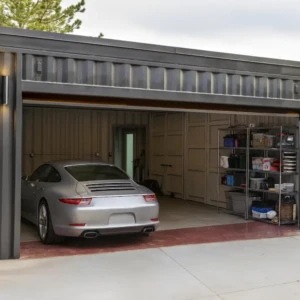

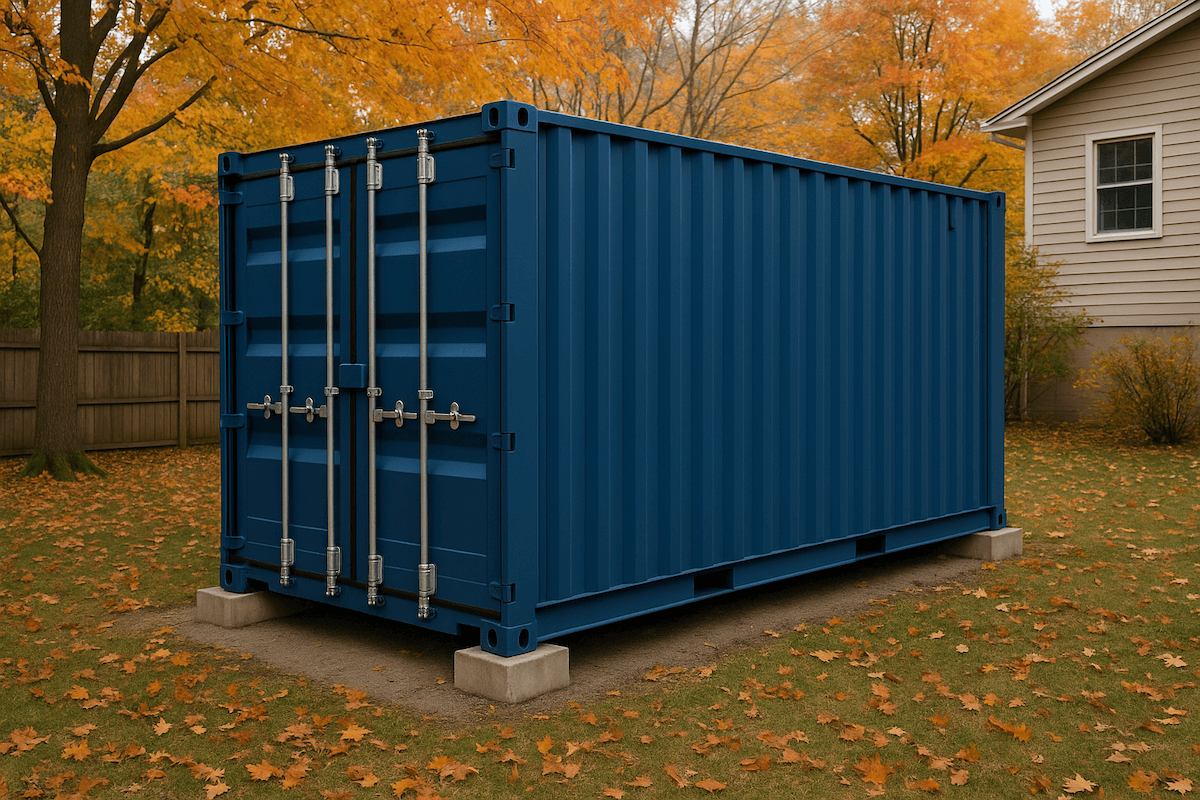
Shipping containers are designed to endure many voyages across the ocean. Constructed of thick Corten/weathering steel, they can withstand exposure to salt water as well as being stacked with cargo on top. This means once a container is decommissioned from shipboard service, it will be very robust for use on land.
How long will my shipping container last? Expect 25-30+ years if properly maintained, and likely longer if the container was already used on a vessel.
While Texas is largely free from the effects of ocean spray, we still have to contend with high levels of UV exposure, temperatures in excess of 100°F, violent storms, and moisture near the coast. The lifespan of your container will depend primarily on its age/condition at the time of purchase and some basic upkeep. Read on to learn more about what to expect from your container in the Texas environment.
Average Life of a Shipping Container
The state of the container when purchased will determine how long you’ll get from it.
New / “One-Trip” Containers (25–35+ Years)
Only having been on the water once, these containers have little to no damage and retain their original factory-applied paint coating. As such, they offer the highest potential lifespan and are ideal for long-term applications (i.e. storage, workshops, offices etc.). View our range of new 20ft and 40ft shipping containers here.
Used / Wind & Watertight (WWT) Containers (15–25+ Years)
Shipping containers typically last between 10-15 years whilst being used on the ocean. You will therefore find some superficial rusting and damage on used containers. However, provided the container is in WWT condition and has been correctly inspected, you can expect to enjoy many years of use from it. All used shipping containers should be thoroughly inspected to ensure there is no significant rusting to the body, floorboards, and that it is wind and water-tight.
Modified & Insulated Containers (30+ Years)
With the addition of insulation (typically spray foam), ventilation systems and additional cladding, shipping containers can be converted into habitable buildings. These modifications help to prolong the life of the container beyond that of a conventional container used as storage. Learn more about how to insulate a shipping container or view our modified/custom shipping containers.
How Texas Weather Will Affect Your Shipping Container
There will be some deterioration to a container left in an open field in Central TX vs. on a vessel at sea. Familiarising yourself with the following will allow you to take proactive measures to protect your container.
Relentless UV Exposure and Triple-Digit Heat
Strong UV rays from the sun across Central and Southern TX will degrade the OEM paint coating. This will lead to corrosion as the underlying steel is left unprotected. Extreme temperature fluctuations can also lead to ‘container rain’ / internal moisture build-up if not adequately ventilated. Read more here on how to keep your container cool in Texas.
Humidity and Heavy Storms (Austin, San Antonio & the Gulf Coast)
Due to high levels of moisture (and salt on the coast) across East/South Texas, corrosion will occur more rapidly. Your roof is at greatest risk as standing water may develop if your container is not perfectly horizontal. Hail should not be a concern with steel, but if you do sustain damage to the roof, ensure you repair and monitor for any standing water.
Shifting Texas Soil (Expansive Clay)
Clay soils in Central Texas will expand with moisture and contract in dry spells. When a shipping container is placed on an unstable surface, it may sit unevenly, causing warping of the container, sticking doors, and poor drainage. There are a number of foundation solutions – refer to our Shipping Container Foundation page.
5 Simple Ways to Maximize Your Container’s Lifespan in Texas
There are many low-cost things you can do to prolong the lifespan of your shipping container. Here are 5 tips:
- Place on an elevated surface. Don’t place your container directly on lawn/ground. This will cause moisture to collect below the container. Railroad ties, pier blocks, crushed gravel or concrete will all work to allow ventilation below the container and facilitate drainage.
- Ensure the container is level. This allows the doors to open/close freely, ensures a proper seal with the rubber gaskets (against rain/moisture & critters), and promotes run-off from the top of the container.
- Maintain the paint and touch up scratches. DTM / marine paint can be applied to any scuffs/scratches to inhibit rust formation, particularly on the top of the container. Painting in lighter colors (i.e. tan, cream, white, pale grey) will reduce solar loading in hot TX climates. Refer to our article on maintaining your container free from rust.
- Allow for ventilation within the container to reduce condensation. Louver vents, roof turbines and/or insulating the container will all reduce condensation on cool, damp mornings.
- Check the condition of your container roof and door gaskets annually. Remove leaf litter from the top of the container (particularly relevant if located in/near the ATX/Hill Country region). Standing leaf litter can degrade the container paint over time. Also check that the rubber gaskets have not begun to rot due to sun exposure.
Signs It’s Time to Repair (or Replace) an Aging Container
Some minor wear will be apparent. Here’s how to differentiate between superficial damage and more serious issues:
- Cosmetic surface rust vs. structural rust. This can simply be sanded back and repainted. If there is heavy flaking/pitting of rust on the lower edge/corner casting, then this is a concern.
- Roof leaks or pinholes. These usually come from untreated dents or debris that has built up and worn through the paint.
- Damaged door gaskets. They’re easy to replace, and doing so keeps water, dust and Texas critters out.
- Delaminating marine plywood floors. This usually only happens after decades of exposure to standing water.
Built to Last on Texas Land
On a good flat base with some periodic repainting, a shipping container will outlast virtually anything else you place on your property in Texas. It will only be as good as when you buy it, but these tips will help prolong its life.
If you’re in Austin, San Antonio or anywhere in Central Texas, explore Steel Box’s inventory of inspected new one-trip, used and custom high cube containers. Call or request a quote for fast local delivery.